

No items found in your cart!
No items found in your cart!

 you definitely can not afford to miss this. READ HERE https://www.hub.goglowonline.com/view-post.php?post_id=111, Thanks for always taking out time to read through our blog posts @ Goglow Hub! We are Happy that you enjoy it!&image=<img src='https://www.hub.goglowonline.com/upload/1791455799cybersecurity.jpg'/>) |
|
|
|
|
|
|
|
The internet has changed dramatically since it became widely accessible. From simple websites where users could only read information to interactive platforms where billions of people create, share and exchange content, each stage of the internet has transformed how people communicate, work, learn and do business. Today, the internet is moving toward another major transformation often associated with Web 3.0, decentralisation, artificial intelligence, blockchain, the Internet of Things (IoT), virtual and augmented reality, and other emerging technologies.
Web 1.0 refers broadly to the early stage of the World Wide Web, particularly from the 1990s into the early 2000s. Websites were mostly static and designed to provide information to visitors.
Users primarily read or consumed information rather than actively contributing to websites. Businesses, governments and organisations published information, while visitors viewed it.
Examples included:
The major advantage of Web 1.0 was that it made information available globally. However, interaction was limited.
Web 2.0 introduced a much more interactive internet. Instead of simply consuming information, users could create, share and interact with content.
Social media, online marketplaces, blogs, video-sharing platforms and cloud-based applications became central to the internet.
Examples include:
Web 2.0 created enormous opportunities for businesses and individuals. A small business could market its products online, communicate directly with customers and reach audiences beyond its local area.
However, Web 2.0 also created concerns around data ownership, privacy and centralisation. A large amount of online activity is controlled by major technology companies that operate the platforms on which users communicate and conduct business.
Web 3.0 is commonly used to describe an emerging vision of an internet where users can have greater control over their data, digital identities, assets and online interactions.
One of its major ideas is decentralisation. Instead of information and applications being controlled entirely by a central organisation, blockchain and distributed networks can allow information and transactions to be verified across multiple computers.
Technologies associated with Web 3.0 include:
For example, blockchain technology can maintain a shared record of transactions without requiring a single central database administrator.
However, Web 3.0 is still developing. Some proposed applications have not achieved widespread adoption, and challenges remain around scalability, regulation, security, usability and energy consumption.
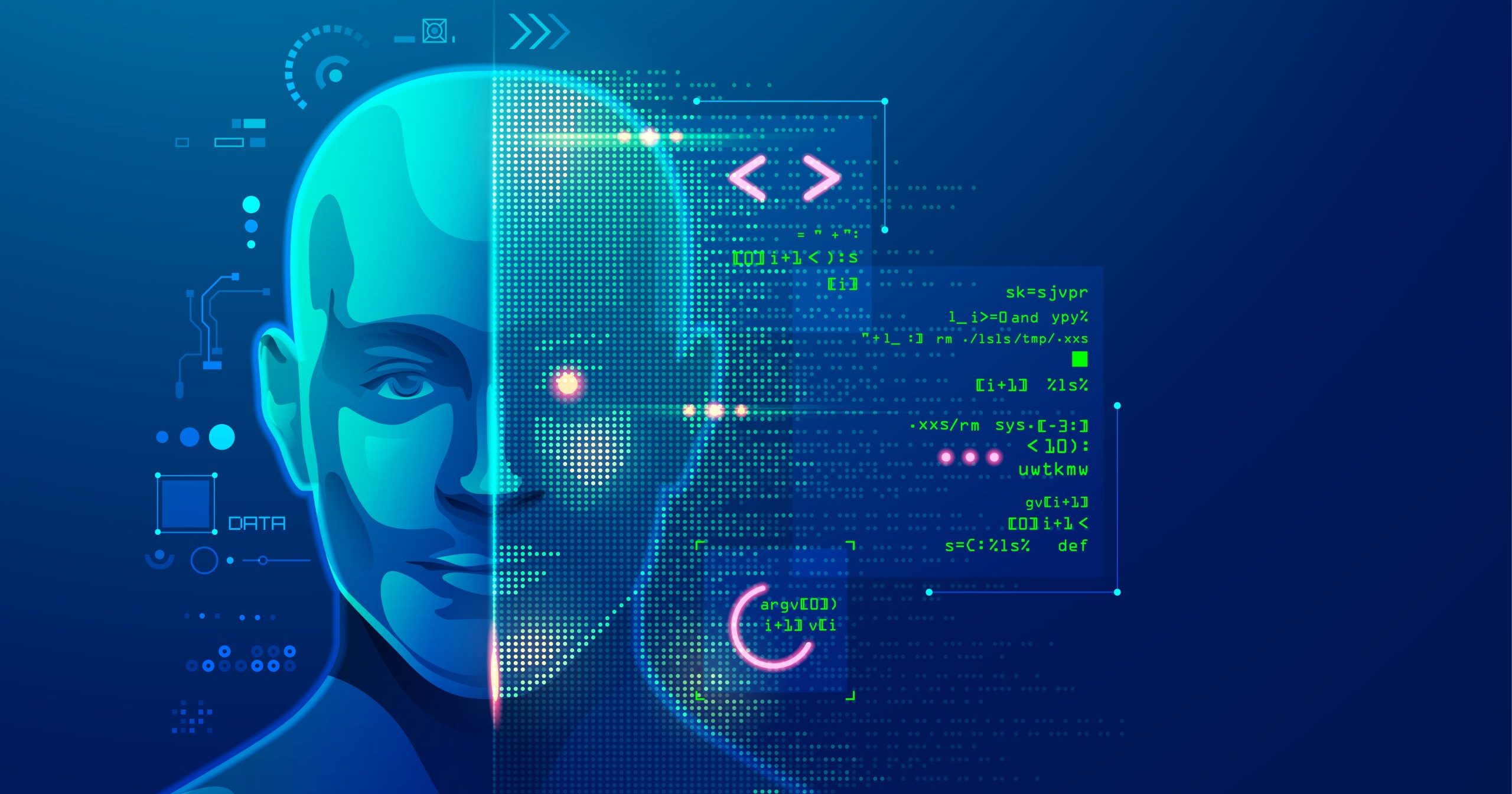
Artificial intelligence is likely to be one of the most important technologies shaping the future internet.
AI can help websites and digital platforms understand users, automate tasks and generate content. Search engines are increasingly incorporating AI into how people find information, while businesses can use AI for customer service, marketing, data analysis and software development.
AI-powered systems can also make the internet more personalised. Instead of simply searching for information, users may increasingly interact with intelligent digital assistants that understand their questions and perform tasks on their behalf.
For businesses, this could reduce the cost of operations while creating new opportunities for small companies to compete in digital markets.
The Internet of Things (IoT) refers to physical devices connected to the internet and capable of collecting or exchanging data.
Examples include:
As more physical objects become connected, the internet will increasingly become part of everyday physical environments rather than something accessed only through computers and smartphones.
Virtual reality (VR) and augmented reality (AR) could change how people interact with digital environments.
VR can create immersive digital experiences, while AR can place digital information over the physical world. These technologies have potential applications in:
Businesses could eventually provide customers with more immersive ways to examine products, attend events or interact with services.
One of the most significant ideas behind decentralisation is that users could have greater control over their digital assets and identities.
Blockchain-based systems can allow digital ownership to be recorded without relying entirely on a central platform. Smart contracts can also automate agreements when predetermined conditions are met.
For example, an online marketplace could potentially use smart contracts to automatically release payment when a transaction has been completed.
Nevertheless, decentralisation does not automatically guarantee privacy, security or fairness. Users still need to protect their accounts and digital assets, while governments and technology companies continue to develop rules around these technologies.
The future internet will create opportunities for businesses of all sizes.
Small businesses can use websites, social media, e-commerce, digital payments, AI and data analytics to reach customers outside their immediate geographical location.
For example, a Nigerian business can potentially sell products or digital services to customers in other countries without opening physical stores there.
Businesses will also need to pay greater attention to:
Companies that adapt to technological changes are likely to have an advantage over businesses that depend entirely on traditional methods.
Despite its opportunities, the future internet will face significant challenges.
Privacy: More connected devices and AI systems can result in the collection of large amounts of personal information.
Cybersecurity: As more services move online, cyberattacks can have greater consequences.
Digital inequality: Not everyone has equal access to reliable internet, smartphones, electricity or digital skills.
Misinformation: AI-generated content can make it increasingly difficult to distinguish genuine information from manipulated or false content.
Regulation: Governments will need to develop appropriate rules for AI, cryptocurrencies, digital identity, data protection and other emerging technologies.
The internet has evolved from Web 1.0's read-only websites to Web 2.0's interactive and social platforms, and it is now moving toward a future involving Web 3.0, decentralisation, artificial intelligence, IoT, blockchain and immersive technologies.
The future internet will not simply be about accessing websites. It is likely to become a more intelligent, connected and increasingly decentralised digital environment that influences how people work, communicate, learn, shop and conduct business.
However, technological progress must be accompanied by responsible regulation, cybersecurity, digital literacy and protection of users' rights. The businesses and individuals that understand and adapt to these changes will be better positioned to benefit from the next generation of the internet.

.jpg)
.jpeg)

 Courses
 Graphics Design
 Web Development
 Mobile App Development
 System Application Development
 Computer Appreciation
 Architectural Design
 UI/UX Design
 Programming
 Software Development
 Computer Repairs
 Solar Panel Installation
 CCTV Installation
 Digital Photograpghy
 Digital Marketing
 Data Analytics
 Database Management
 Ethical Hacking
 Blockchain Development
 Jamb CBT Practice
 TOEFL Training
 IELTS Training